Exploring Intersections of Payment Security and Tiered Loyalty Incentives Under Regulatory Frameworks
Wendy Koch · Aug 20, 2026
Exploring Intersections of Payment Security and Tiered Loyalty Incentives Under Regulatory Frameworks
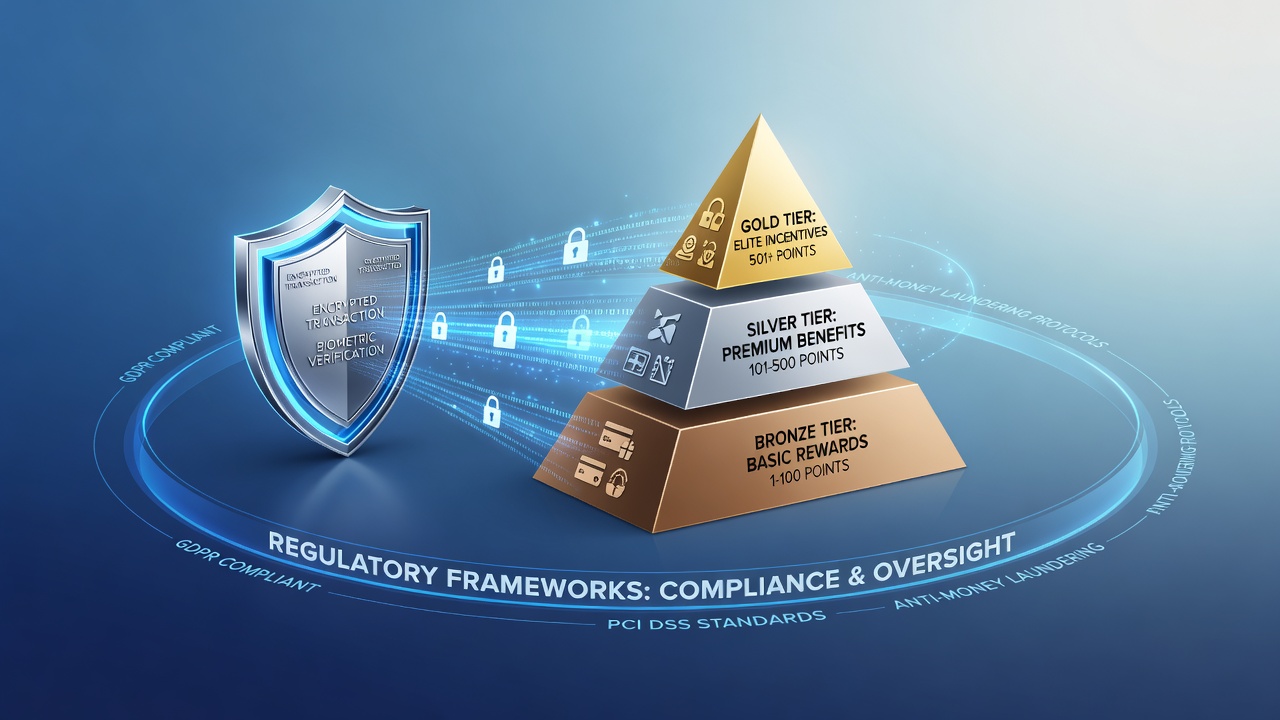
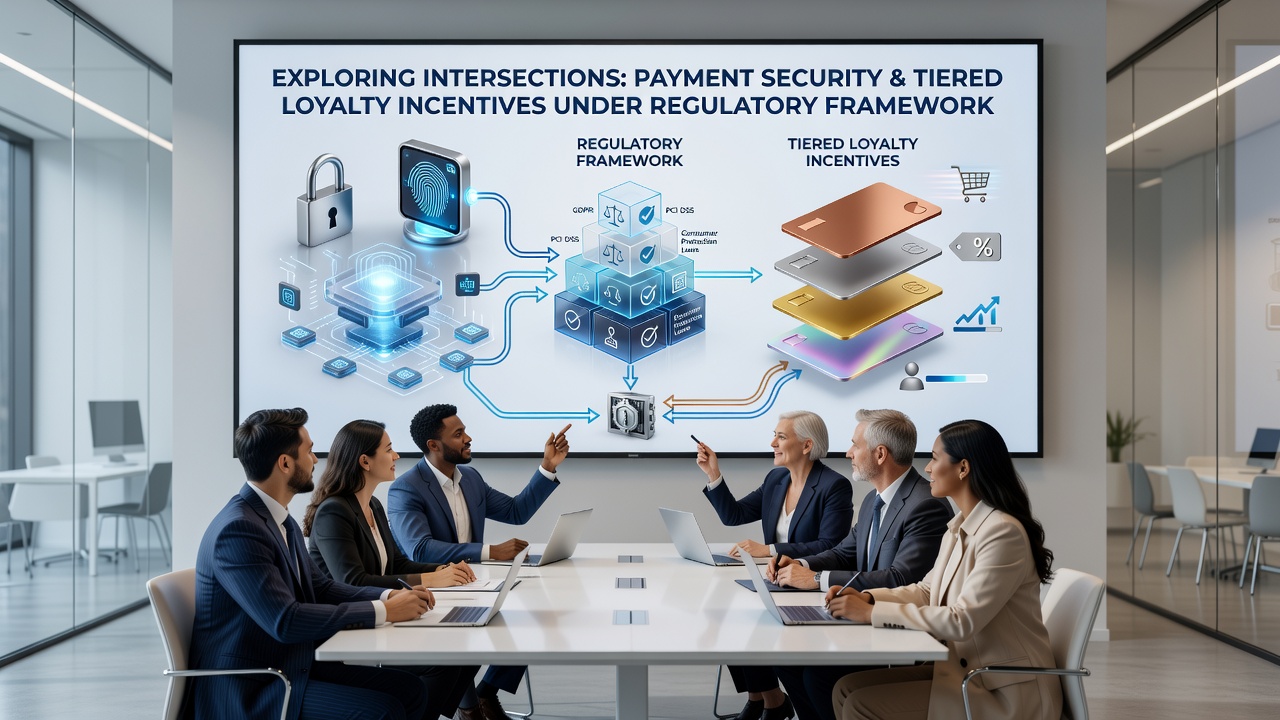
Payment security protocols and tiered loyalty incentives operate within overlapping regulatory environments that govern data handling, transaction authentication, and consumer protection across multiple industries. These intersections arise because loyalty programs often rely on detailed transaction histories and personal identifiers to assign customers to spending tiers while payment systems must comply with standards that limit data exposure and require encryption at every stage. Regulatory bodies in various regions establish rules that affect both areas simultaneously, creating compliance requirements that organizations address through integrated technical controls and policy frameworks.
Core Regulatory Structures Shaping Both Areas
Payment Card Industry Data Security Standard requirements mandate that transaction data remain protected during collection, transmission, and storage, yet loyalty systems frequently need access to the same data streams to calculate rewards and determine tier status. European directives such as the revised Payment Services Directive impose strong customer authentication rules that can influence how quickly loyalty points accrue after each verified purchase. Observers note that similar patterns appear in North American frameworks where the Consumer Financial Protection Bureau oversees electronic payment disclosures that intersect with state-level privacy statutes governing reward program databases.
In Australia the Australian Competition and Consumer Commission monitors loyalty scheme practices alongside payment security expectations set by the Reserve Bank, producing guidelines that companies apply when designing tiered benefits tied to card usage. These overlapping mandates mean organizations maintain separate audit trails for security compliance while also documenting how loyalty calculations draw from verified transaction records without creating unnecessary data retention risks.
Technical Mechanisms Linking Security Controls to Loyalty Tiers
Tokenization serves as one practical bridge between the two domains because tokenized payment credentials allow loyalty engines to recognize repeat customers and advance them through tiers without exposing full card numbers. Multi-factor authentication processes that satisfy regulatory security thresholds also generate timestamps and device identifiers that loyalty platforms can use to validate activity and prevent fraudulent point accumulation. Data minimization principles embedded in privacy regulations further shape loyalty program design by limiting the fields stored in tier-progression algorithms to only those elements necessary for reward delivery.
Encryption standards required for payment authorization messages carry over into loyalty databases that store historical spending summaries, forcing encryption key management practices to cover both operational payment flows and archival reward histories. Researchers have documented cases where organizations implemented unified key rotation schedules to satisfy auditors examining either payment security or loyalty data handling under a single review cycle.
Developments Anticipated Around August 2026
Regulatory updates scheduled for implementation in August 2026 in several jurisdictions will introduce enhanced reporting obligations for loyalty programs that process payments above certain thresholds. These forthcoming rules emphasize real-time fraud detection capabilities that must extend into the systems calculating tier advancements, requiring organizations to demonstrate that security controls remain effective even when customer activity triggers automatic reward escalations. Industry reports indicate that testing environments for these changes already incorporate simulated loyalty tier movements alongside payment authorization stress tests to verify integrated resilience.
Cross-border data transfer restrictions expected to tighten around the same period will affect multinational loyalty schemes that aggregate payment data from multiple regulatory zones, prompting firms to adopt regional data segmentation strategies that still permit consistent tier calculations across borders. Compliance teams have begun mapping these segmentation approaches against both payment security standards and emerging loyalty transparency requirements to prepare documentation ahead of the deadline.
Industry Examples of Integrated Compliance Approaches
One retailer operating across European markets adjusted its loyalty platform to receive only tokenized transaction summaries from its payment processor, satisfying both data protection rules and tier eligibility verification needs. A financial services provider in Canada aligned its rewards tier progression logic with the same authentication logs used for regulatory payment reporting, reducing duplicate record-keeping while maintaining audit readiness. These adaptations illustrate how organizations extract operational efficiencies by treating payment security infrastructure as a shared foundation for loyalty program administration.
Academic studies from institutions examining fintech ecosystems have tracked similar patterns, noting that firms achieving certification under multiple overlapping standards often experience streamlined review processes when loyalty program changes coincide with payment system upgrades. The resulting documentation covers both domains within unified compliance submissions rather than separate filings.
Conclusion
Payment security measures and tiered loyalty incentives continue to converge under regulatory frameworks that address data protection, transaction integrity, and consumer rights in coordinated ways. Organizations navigate these intersections by deploying shared technical controls such as tokenization and encryption while preparing for scheduled regulatory shifts around August 2026 that will further align reporting and authentication expectations across both domains. Data from regulatory filings and industry analyses show that integrated compliance strategies reduce administrative duplication without compromising the distinct objectives of secure payments and structured reward progression.