Mapping Connections Between Reward Structures and Game Selection Patterns in Mobile Settings Governed by Nordic Rules
Wendy Koch · Aug 22, 2026
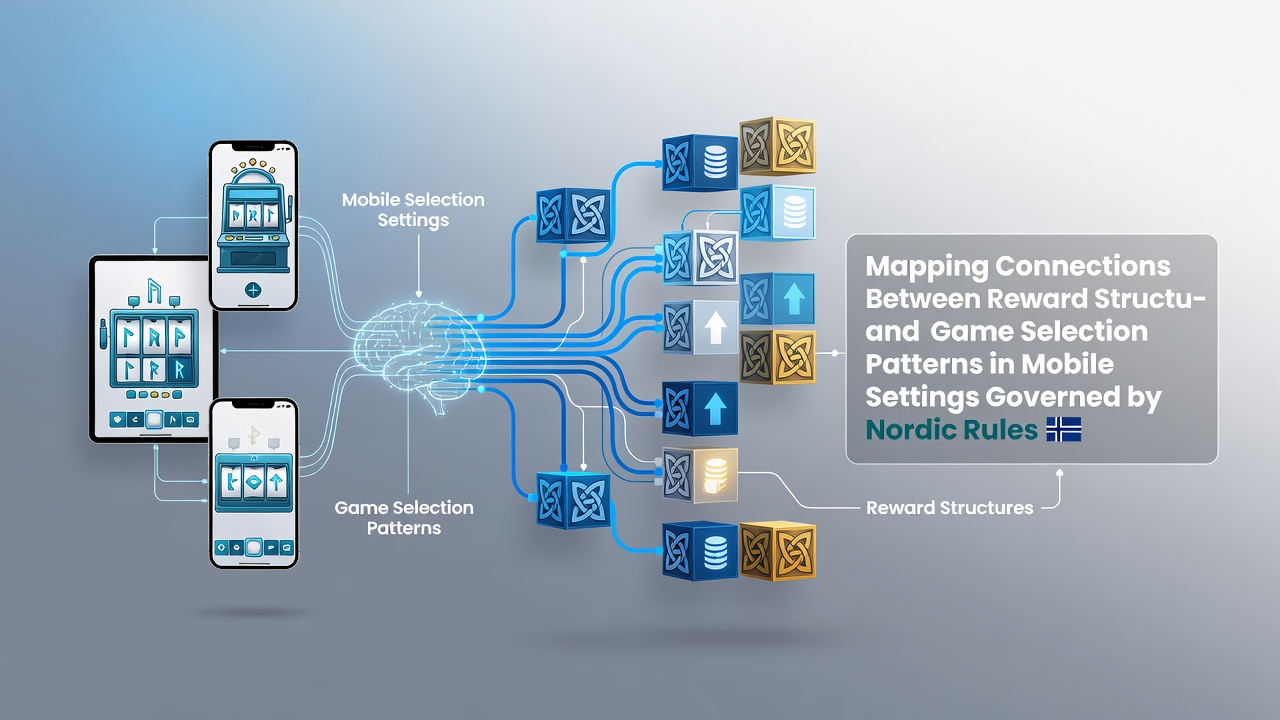
Mapping Connections Between Reward Structures and Game Selection Patterns in Mobile Settings Governed by Nordic Rules
Regulatory frameworks across Nordic countries establish clear guidelines for mobile gaming operators, and these rules shape how reward structures interact with player choices in digital environments. Data from licensing authorities shows that operators must align bonus systems with requirements for responsible play, which in turn influences the types of games users select on smartphones and tablets. Researchers have examined these dynamics through behavioral tracking and usage logs, revealing consistent patterns where reward mechanics guide navigation toward specific game categories while remaining compliant with local statutes.
Nordic Regulatory Context and Mobile Gaming
Nordic rules require operators to maintain transparent reward systems that avoid excessive inducements, and this framework applies directly to mobile platforms where users access games through apps or browsers. Figures from 2025 indicate steady growth in mobile sessions across the region, with operators reporting that compliance measures affect everything from deposit bonuses to loyalty points. Those who've analyzed compliance reports note that systems must incorporate spending limits and self-exclusion tools, which operators integrate into reward tracking to prevent patterns that might conflict with oversight standards. In August 2026 updates to cross-border data sharing protocols took effect, allowing regulators in Sweden, Denmark, and Finland to monitor reward distribution more precisely across mobile channels.
Reward Structures in Regulated Mobile Environments
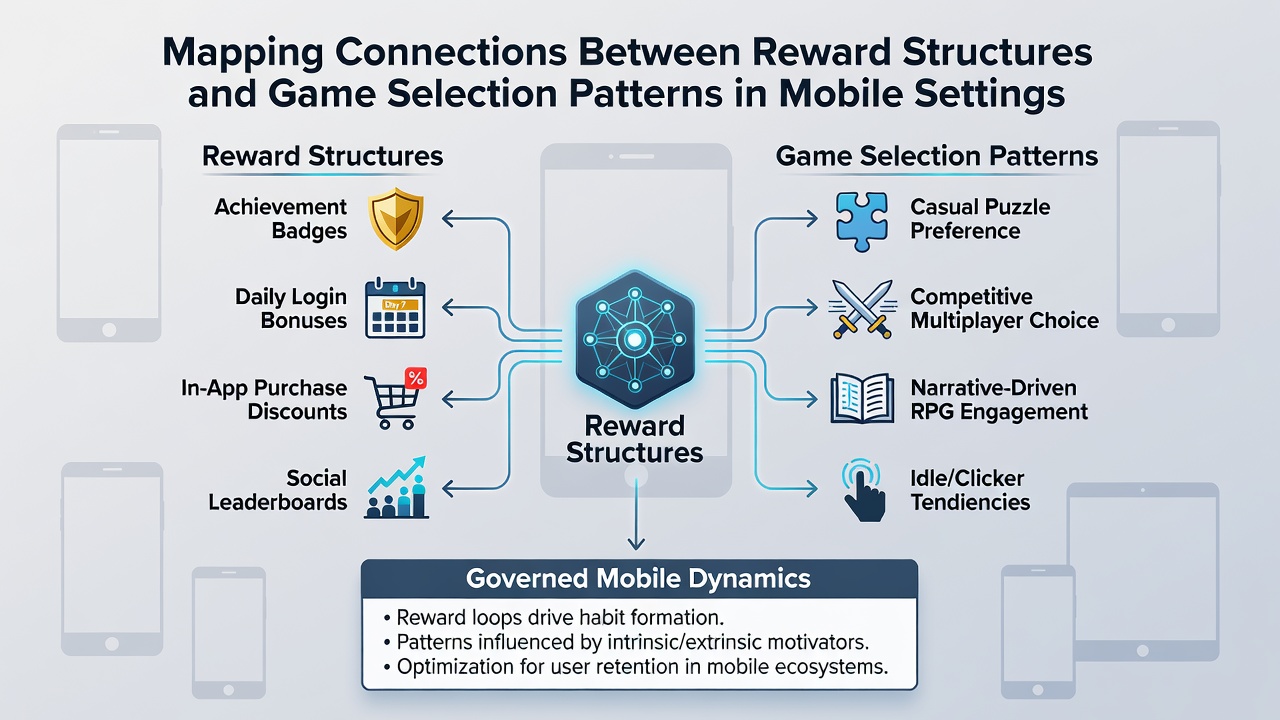
Reward structures typically include tiered loyalty programs, cashback offers, and achievement-based incentives, yet Nordic regulations limit how these elements promote particular games. Studies conducted by academic institutions have mapped how operators design these systems to emphasize skill-based or low-volatility titles when certain bonus conditions apply. Evidence suggests that players encounter reward triggers more frequently in slots or casual mobile games, while table game selections receive different incentive alignments to meet fairness criteria. One analysis of operator data revealed that reward redemption rates climb when mobile interfaces present simplified navigation toward compliant game libraries, and this connection holds across multiple licensed platforms.
Patterns in Game Selection Under Mobile Conditions
Game selection patterns on mobile devices show distinct trends when reward structures are active, with users gravitating toward titles that accumulate points or unlock tiers faster. Observers note that shorter session lengths common in mobile play correlate with rewards that reset daily or weekly, directing attention to games with quick completion cycles. Data indicates higher engagement with progressive jackpot games when loyalty multipliers apply, whereas strategy-heavy options appear less frequently in reward-driven selections. External factors such as device notifications and push messages further reinforce these patterns, and regulators require operators to log these influences for audit purposes.
Connections Between Rewards and Selection Behaviors
Mapping exercises performed by research teams demonstrate direct links where specific reward features steer mobile users toward particular game genres. For instance, bonus rounds tied to minimum spin counts often increase selections of high-frequency mobile slots, while point systems favoring longer play sessions shift attention toward simulation or role-playing titles. According to reports from the European Gaming and Betting Association, operators adjust reward algorithms seasonally to reflect regulatory feedback, and these adjustments produce measurable shifts in category popularity within weeks. Australian regulatory reviews have similarly documented how mobile-specific reward caps alter selection distributions, providing comparative data that Nordic authorities reference during policy reviews.
Those tracking user journeys find that reward visibility on home screens increases the likelihood of selecting promoted games by measurable margins, and this effect persists even when users have established preferences. Compliance teams at licensed operators use session analytics to verify that reward prompts do not override responsible gaming prompts, creating a documented balance between engagement tools and regulatory obligations. Figures reveal that mobile game libraries under Nordic rules maintain broader category diversity when reward structures include cross-genre bonuses, reducing concentration in any single selection pattern.
Data Insights and Observed Trends
Longitudinal studies of mobile gaming under Nordic oversight show that reward structures evolve alongside technological updates, such as improved touch interfaces and faster load times. These changes coincide with shifts in selection patterns, where users respond to rewards that leverage new mobile features like location-based challenges or social sharing mechanics. Research indicates that operators who align rewards with verified age and spending controls experience more stable selection distributions across their mobile user bases. Canadian provincial reports on similar regulated markets provide additional context, highlighting parallels in how reward caps influence mobile engagement metrics.
Conclusion
The connections between reward structures and game selection patterns in Nordic-regulated mobile settings emerge through layered compliance requirements and behavioral data. Operators continue to refine these systems as regulatory tools advance, and ongoing analysis supports clearer understanding of how incentives guide choices without compromising oversight standards. Continued monitoring through shared regional databases ensures that patterns remain aligned with established rules across mobile environments.