Tracing Regulatory Threads Between Swedish Statutes and Mobile Slot Reward Mechanics in Licensed Platforms
Riley Krüger · Aug 24, 2026
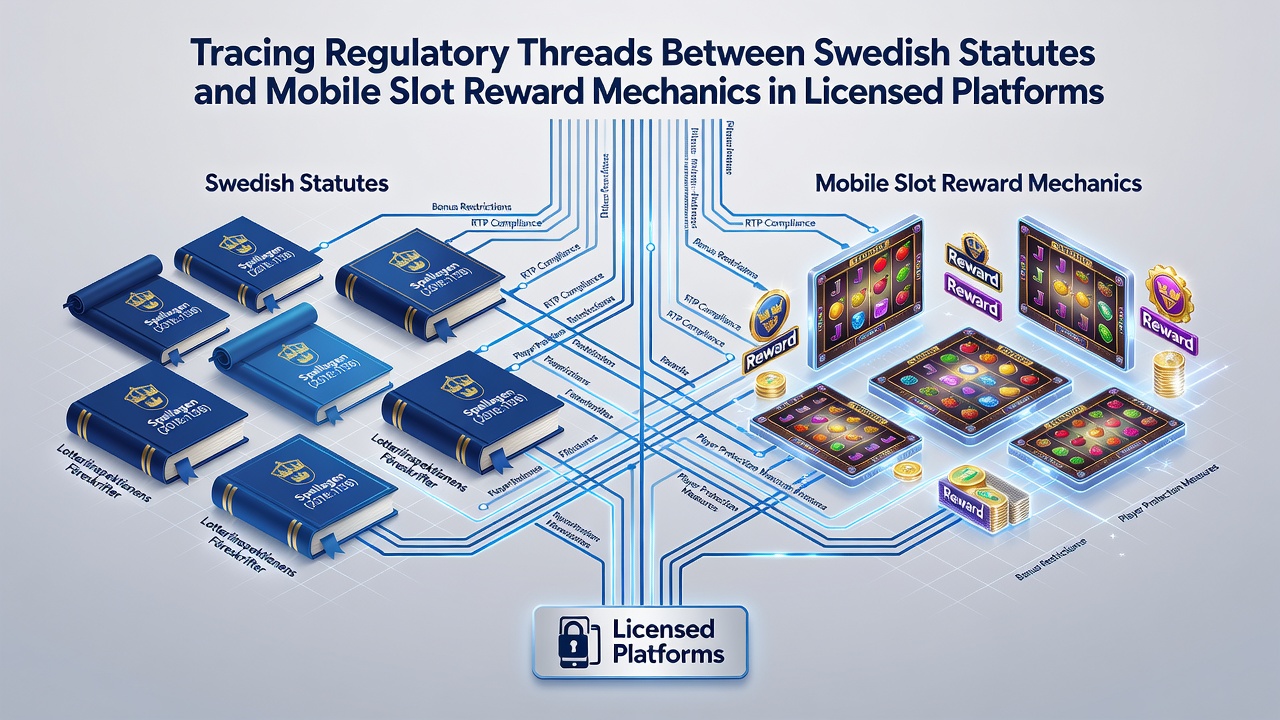
Tracing Regulatory Threads Between Swedish Statutes and Mobile Slot Reward Mechanics in Licensed Platforms
Swedish statutes shape how licensed platforms structure rewards in mobile slot games through a framework that dates back to the 2018 Gambling Act and continues evolving under Spelinspektionen oversight; these rules govern bonus structures, loyalty programs, and promotional incentives while requiring operators to maintain player protection standards across all devices.
Core Elements of Swedish Gambling Legislation
Statutes establish licensing requirements that demand operators demonstrate compliance with responsible gambling measures before they can offer mobile slot products or associated rewards, and data from Spelinspektionen shows that platforms must log every reward transaction to allow audits that verify adherence to deposit limits and time-based play restrictions.
Legislation further requires clear separation between game mechanics and reward triggers so that mobile users encounter transparent terms rather than hidden conditions that might encourage excessive play, while amendments effective through 2025 tightened reporting on how bonuses convert to playable credits in slot titles.
Mobile Slot Reward Structures Under Oversight
Licensed operators build reward mechanics around free spins, deposit matches, and tiered loyalty points yet must align these features with statutory caps on promotional frequency and value, and research from Nordic gaming studies indicates that mobile formats receive particular attention because session data reveals higher interaction rates on smartphones compared with desktop access.
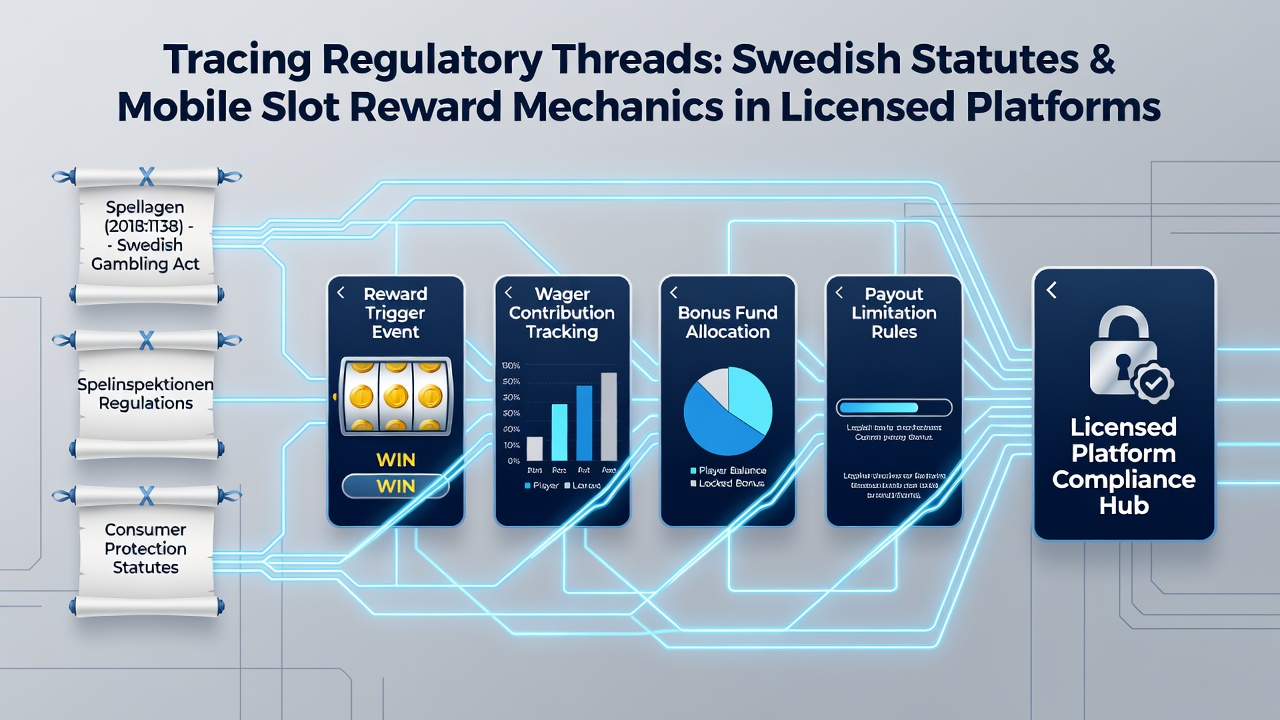
Platforms therefore embed mandatory cooling-off prompts directly into reward claim flows, and August 2026 marks the scheduled rollout of updated guidelines that will require real-time verification of player eligibility before any mobile slot bonus activates, a step designed to close gaps between statute language and app-based delivery systems.
Intersections Between Rules and Mechanics
Statutory language on marketing and player funds interacts directly with reward mechanics when operators link loyalty tiers to slot play volume, since regulations prohibit automatic enrollment that bypasses explicit consent, and observers note that many platforms now present separate toggles for reward participation within mobile interfaces to satisfy these provisions.
Payment processing statutes also influence how winnings from rewarded spins enter player accounts, requiring segregated ledgers that prevent commingling of bonus and cash balances, while figures from the Swedish Public Health Agency reveal steady increases in compliance filings related to these accounting practices over the past three years.
Enforcement Patterns and Platform Adjustments
Spelinspektionen conducts periodic reviews that examine reward logs from mobile slot sessions, and enforcement actions have focused on cases where operators failed to honor statutory withdrawal timelines after players completed bonus wagering requirements; these actions illustrate how regulatory threads pull platform design choices toward greater standardization across licensed environments.
Operators respond by updating app code to reflect new statutory interpretations, and one documented adjustment involved shifting from persistent push notifications about available rewards to opt-in only systems that better match consent rules embedded in the core legislation.
Developments Anticipated for August 2026
Updated directives scheduled for August 2026 will introduce enhanced data-sharing protocols between licensed platforms and the authority, allowing faster identification of reward patterns that might indicate statutory breaches in mobile slot environments, and these changes build on existing requirements without introducing entirely new categories of oversight.
Industry reports compiled by European research bodies highlight similar trends in neighboring jurisdictions where mobile-specific reward rules have already tightened, suggesting Swedish platforms will continue refining their systems to maintain licenses under the evolving framework.
Conclusion
Swedish statutes maintain a continuous influence on mobile slot reward mechanics through licensing conditions, audit requirements, and scheduled updates that address technological delivery methods, and the interplay ensures that licensed platforms adjust mechanics to remain within statutory boundaries while still providing structured incentives to players.